
Health Initiatives
The Healthier Washington Collaboration Portal supports a variety of public health initiatives. Together we are succeeding in connecting public health professionals, organizations, and communities in ways that move our state forward in improving health outcomes for Washington residents. Visit these initiative pages to learn more.
Not sure where to go?
See our site index for a list of health topics available on this website. Each health topic will provide specific subtopics with links to pages with relevant information.

Learn about the school-based health center grant, Adolescent Health Needs Assessment, Washington Youth Sexual Health Innovation and Impact Network, the Youth Advisory Council, and other projects focused on and including the voices of adolescents and young adults.

Communities participating in a state Department of Health grant opportunity are provided resources to fulfill grant activities. The site also supports public health and Tribal entities working to increase dementia awareness and promote early detection and diagnosis.

Health care professionals, clinics, and prime contractors working with the BCCHP program can find forms, tools, and training materials for participation.
A partnership comprised of public and private stakeholders across Washington provides information about the Cancer Action Plan of Washington Statewide Coalition to cancer professionals and public health advocates.

Read about current projects and find child and family data sources in this work connected to local health jurisdictions, state agencies, community-based organizations, and others that are strengthening state and local systems to improve the health and safety of children and their families.

The vaccine confidence toolkit provides robust resources to support community health workers in talking clearly and effectively about vaccines, with shareable resources in nine languages.
The Community Collaborative supports partners so they can connect with each other, share efforts, leverage resources, and facilitate opportunities to collaborate on achieving equity in public health priorities.

The initiative worked with community-based organizations through May 31, 2025 helping communities disproportionately affected by COVID-19 get access to critical health and safety information and resources. A Partnership Evaluation and summary of learnings and recommendations are available to read.
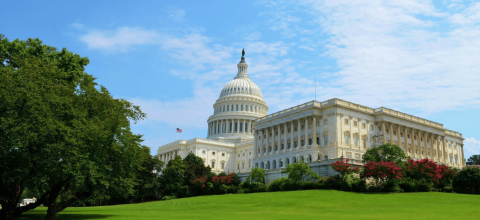
Access information about the state Department of Health's interactions with the federal government. The site provides details on how the agency approaches appropriations, rulemaking, and more.
The EHDDI Program has multiple trainings to educate Family Resources Coordinators and Early Support Providers working with the families of children who are Deaf or hard of hearing.

Community health workers or prospective CHWs in eastern Washington make connections, share community and clinical resources, training opportunities, and job boards.

Workers at public health agencies can get an overview of Electronic Case Reporting (eCR) and how it works by going through an interactive training module. Resources are also provided on how to implement eCR within your organization.
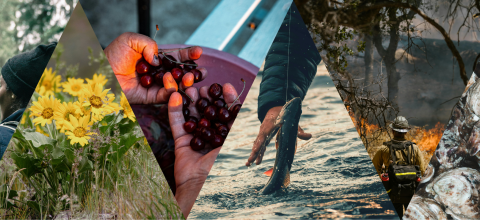
Available in English and Spanish, read announcements and learn about meetings held by the Environmental Justice Council’s work to bring forward the voices of disproportionately impacted communities and inform the state’s environmental justice efforts.

The Coalitions are gatherings for people working toward cancer health equity in Washington. The groups are committed to collaboration, sharing resources, and listening to and prioritizing community voices.

Available in English and Spanish, this work has involved community-driven leaders to establish geographically-based health equity zones. Reports detail how they have identified and addressed pressing health concerns in their zones.
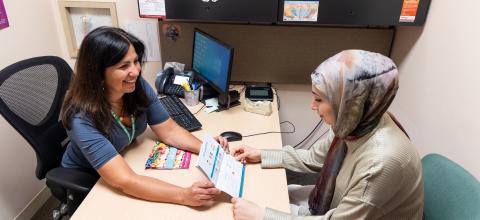
Public health entities involved in rabies surveillance and control can take a course that provides prevention strategies and post-exposure protocols. The course may be helpful for veterinarians, health care professionals, animal control staff, and others involved in rabies response.

HEALWA site is a library of resources to help Washington state health care providers stay up to date in their fields by providing online access to toolkits, databases, eBooks, and eJournals. Learn which providers are eligible to access HEALWA.

Access a free four-session course prepared by the state Department of Health on cannabis and how it can affect users. The course provides a certificate upon completion.
Read the state Department of Health's Office of Immunization monthly newsletter with the latest news, clinical updates, learning opportunities, and resources on vaccine related topics.
This communications toolkit helps health care providers, local health jurisdictions, and community-based organizations support patients and clients with understanding Long COVID.

This collection of data briefs identifies priority needs for women and mothers, children, youth, and families and informs the state's Title V Maternal and Child Health Block Grant.

This site provides information for two Practice Improvement Projects across five Medicaid Managed Care Organizations (MCOs) in Washington state. This work supports the MCOs in collective quality improvement work to improve an area of focus.

Health care providers and public health professionals can access a comprehensive range of assets for health care providers and local health jurisdictions that include printable materials, social media messaging, and other resources to address questions and raise awareness of the importance of measles vaccination.
See state Department of Health required trainings (incl. Intro to Syndemics), deliverable grids and workplans, guidance documents, and other resources for local health jurisdictions and community-based organizations that are funded and contracted to provide syndemic services.

Community-based birth worker organizations are striving to improve birth outcomes by addressing and reducing the racism faced by birth workers and families. See birth equity data and read about current and former project grantees.

Public health professionals working to address the impact of substance use on families will find lactation guidance that can be shared with clients.

Organizations seeking to improve access to primary health care for underserved populations can connect with the National Health Service Corps and Health Professional Shortage Area program on this site.
This resource hub offers public health students, faculty, and practitioners, a wide range of information on public health academic degree programs in Washington.
See the latest meeting agendas and learn the focus and purpose of this governor-appointed body convened to advise and provide feedback on the public health system, with a focus on governmental public health services.

Health professionals can access a training module and materials on this page to comply with Washington state rules for conducting qualitative fit testing for N95 masks.
Public health staff involved in rabies surveillance and control can take a course that provides prevention strategies and post-exposure protocols. The course may be helpful for veterinarians, health care professionals, animal control staff, and others involved in rabies response.
Rural hospital staff can find regulatory and compliance resources, funding opportunities, best practices, data and reporting tools and much more as part of the Rural Health Resource Hub site.
Staff can find regulatory and compliance resources, funding opportunities, technical support tools and much more as part of the Rural Health Resource Hub site.
Rural health care providers and local health jurisdiction professionals will find curated resources, including funding opportunities, data insights, workforce tools, policy updates, and practical guidance.

Eight activities are being managed by the state Department of Health under this multi-agency program to expand rural health access, enhance quality of care, and improve outcomes.
Nursing students, rural health care facilities, academic, and community partners are invited to come together to help address our state's rural nursing shortage using the “grow-your-own workforce” model.

Rural health systems and communities will find a range of resources here to help them integrate palliative care in multiple settings, such as emergency department, inpatient, skilled rehabilitation, home health, hospice, primary care, and long-term care.

Health professionals and community-based partners can use a range of toolkits and guidance to help reduce the impact of cardiovascular diseases in our communities.

This multiorganization collaborative provides strategic direction and federal funding guidance for information technology projects that have cross-organizational or state enterprise impact. See which agencies are involved and look at the latest action plan.

Get links to jobs and career options for anyone interested in starting or growing a career in Washington WIC, which can include lactation support, nutrition education, health screenings, and referrals.