Parenting and Birth Support Program

The Washington State Department of Health Parenting and Birth Support Program seeks to address and reduce differences in outcomes for maternal mortality in our state. DOH makes strategic investments in community-based birth worker organizations working to improve birth outcomes.
The vision for the Parenting and Birth Support Program is:
- Birthing people are healthy and can have a birth the way they want it.
- Birthing people are treated as experts in their own care, and their concerns are taken seriously.
- Birthing people have access to resources without fear.
- Birthing people have access to care that incorporates both Western medicine and traditional practices.
- Birthing people have access to doulas and midwives.
The Parenting and Birth Support Program is a community designed project. Its formation was guided by a community advisory board. This committee was made up of doulas, midwives, childbirth educators, parents, caretakers, and other community birth workers from the priority communities of this project. Current project priorities and decisions are made using community partnered participatory practices in deep collaboration with our current grantees.
Program highlights
Since 2019, the Parenting and Birth Support Program has worked with community-based organizations on projects that improve the lives of families in Washington.
During 2024, partners had the following impact:
- 663 new pregnancies matched with a doula
- 2,391 family members served
- 881 birth workers and doulas trained online, and 154 trained in-person
- 1,040 birthing persons and families received in-person education
- 548 birthing persons and families received online education
- 5,085 views of recorded Zoom sessions (Zoomcasts)
- 557 people received lactation and feeding support
- 57 families received hypertension-specific support
- 388 families provided resources provided through community pantry services (diapers, car seats, traditional baby products)
Partner Highlights
Ayan Maternity Services: New Maternity Safety Educator Doula
Ayan Maternity Services created a new role: Maternal Safety Educator Doula. This doula helps fill critical gaps in maternal safety education, hypertension awareness, and postpartum follow-up. The role includes intentional education, home visits, and support for clients with complex medical needs. Their goal is to improve continuity of care after birth for high-risk clients.
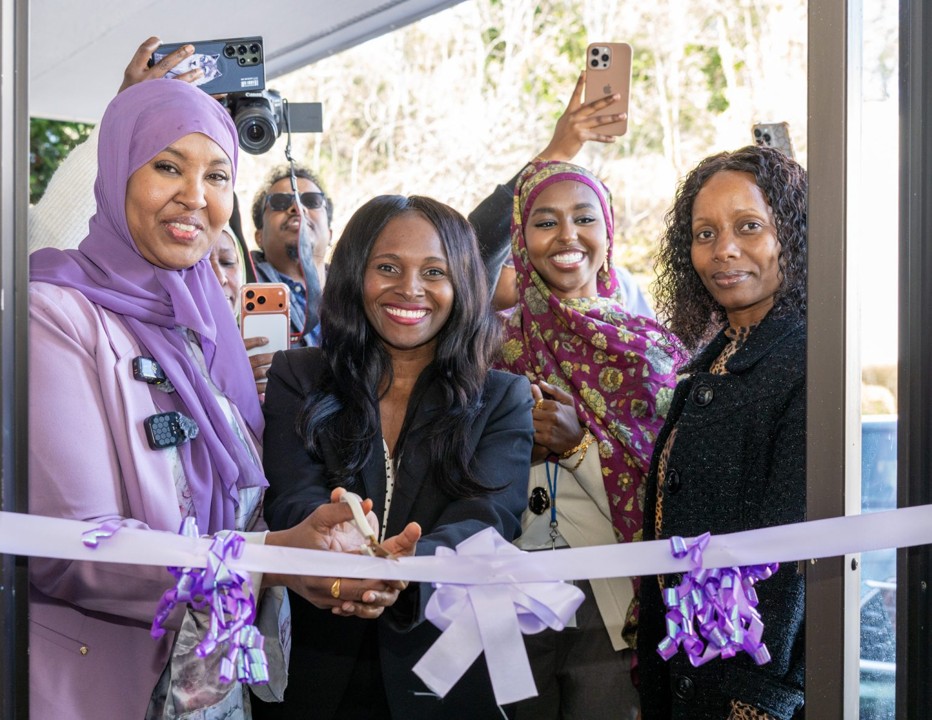
Ayan Maternity Services established a new Maternal Community Center. This space allows them to provide consistent, in-person trainings, workshops, and support services. This new space has significantly increased community engagement and trust.
BLKBRY: Fatherhood Is a Verb
In January 2025, BLKBRY launched new virtual peer-led groups for Black fathers. The dads will also meet in person in 2026 to set goals and build a shared vision as fathers. BLKBRY has received feedback from participants expressing how meaningful it feels to have programming centered on Black fathers and their experiences. BLKBRY is committed to building spaces that strengthen community for Black dads.
BLKBRY recently launched a new partnership with Leche. This partnership has expanded access to milk sharing for BLKBRY clients.

Global Perinatal Services: Expanding multilingual doula care
Global Perinatal Services continues to expand multilingual doula support. Global Perinatal Services onboarded five new doulas and added fluent support in Arabic, Somali, Amharic, Tigrinya, and Spanish.
On February 14th, 2026 The Seattle Times posted a photo essay which featured Faisa and the Federal Way Birth Center: “Love is made for you and me: A photo essay on love in the Seattle area”
Spokane Tribal Network: Alignment with Tribal Food Sovereignty Program
Spokane Tribal Network’s Indigenous Birth Justice and Tribal Food Sovereignty programs bring intergenerational groups in supportive and casual settings. These gatherings help build community and promote mentorship. During the school year, the team worked with youth in classrooms, and invited youth, families, and adults to Spokane Tribal Network’s Food Sovereignty site.
From our grantees:
“I learned a lot from attending this class. I put all their advice into practice. Even though my birth didn’t go as planned, the information I gained helped me avoid birth trauma. I knew what to expect. The class helped me feel confident and aware of what was going on in my body at every moment. Thanks to this class I knew how to make decisions I felt good with.” (Center for Indigenous Midwifery)
“I feel like the training and tools provided gave me the skills to be present in a meaningful way as we welcomed a beautiful Indigenous baby into this world. Prior to the training, I attended family births more as a spectator and this time I physically and emotionally supported this client as she labored and gave birth. I am most proud of her, her strength and beauty and just fortunate
to be there along her journey.” (Spokane Tribal Network)
“Cultural responsiveness changes outcomes. Families report stronger satisfaction when care feels culturally matched, trauma-informed, and nonjudgmental.” (Shades of Motherhood Network)
“I feel proud that we were able to provide a pathway to growth as a birth keeper that included doula, postpartum doula, spinning babies, lactation, childbirth education, midwifery assistant training and more!” (Center for Indigenous Midwifery)
Why parenting and birth support?
It is well established that poor health outcomes during pregnancy, at birth, postpartum, and in infants are largely preventable through public health measures. It is also well established that lack of access to basic needs (housing, food security, economic stability, education, etc) create barriers to care and negatively affect the physical, emotional, and spiritual health of families.
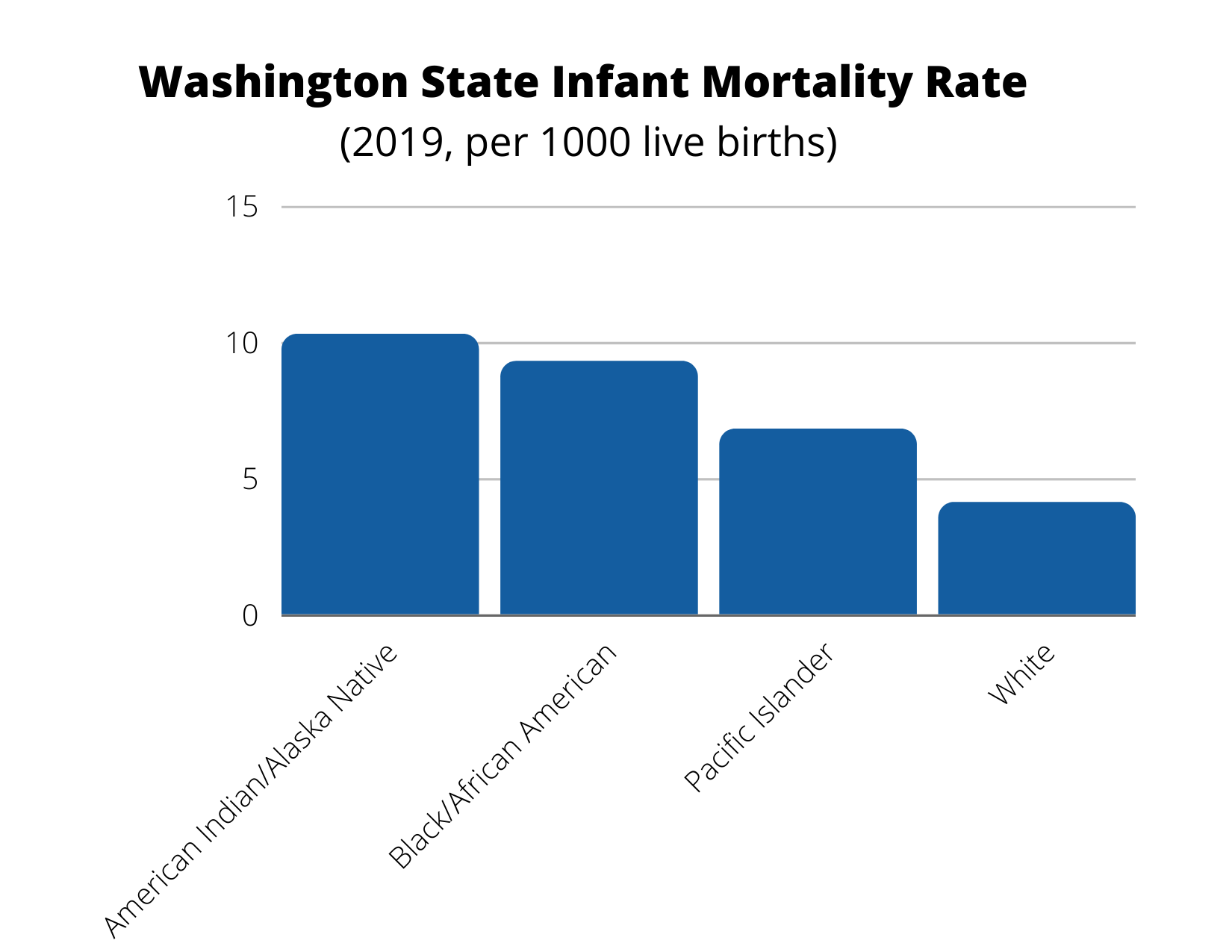
While Washington has relatively low infant and maternal mortality, several communities have large differences in health outcomes and are disproportionally impacted. These differences in outcomes have been relatively constant over the past two decades in Washington and are linked to a long history of inequitable institutional and systemic practices in health systems that restrict access to care and basic needs.