
Health Literacy
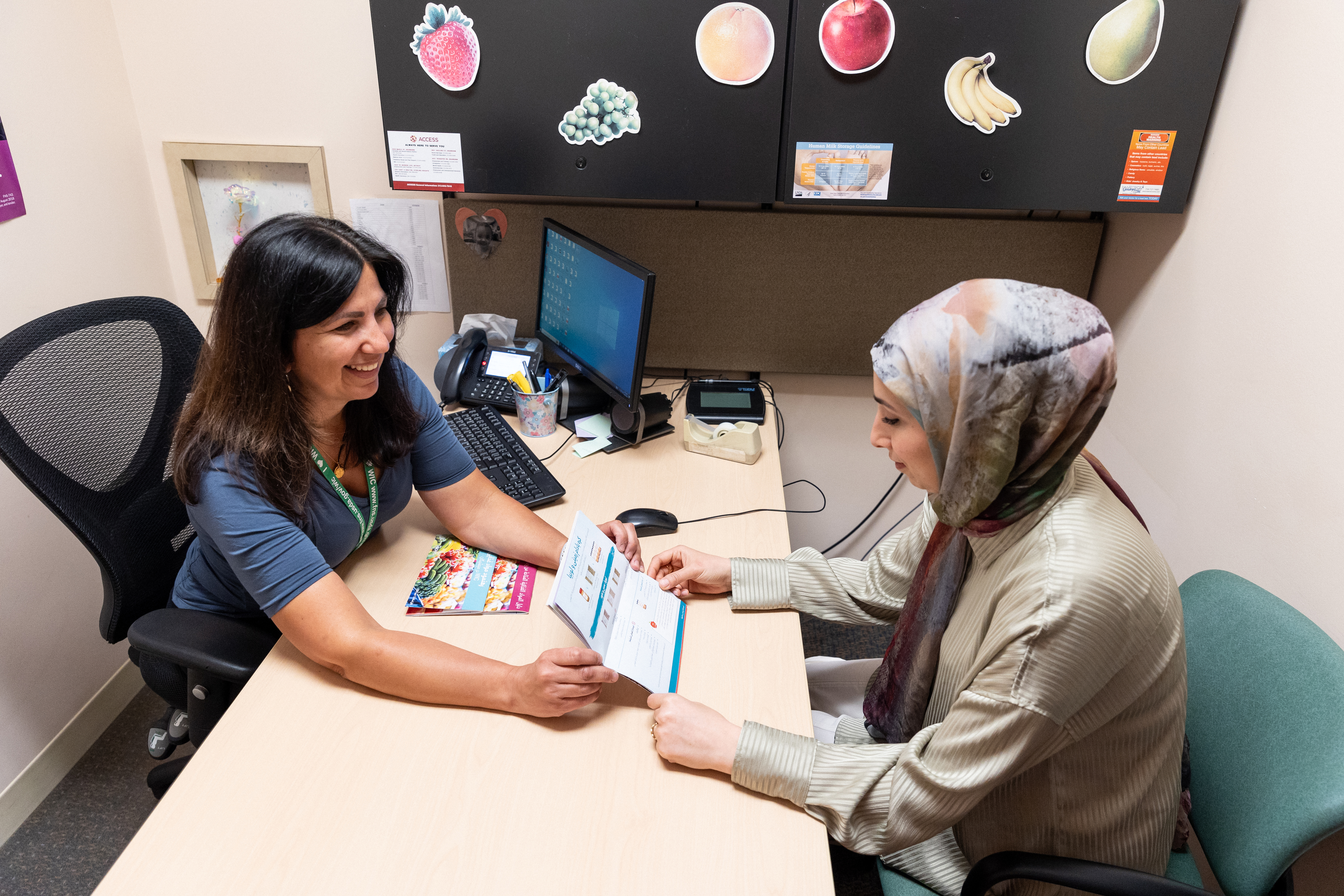
"Using health literacy tools, while speaking in simple clear language is a bridge to building trust."
- Olayinka O. Shiyanbola, PhD. B.Pharm, University of Michigan College of Pharmacy
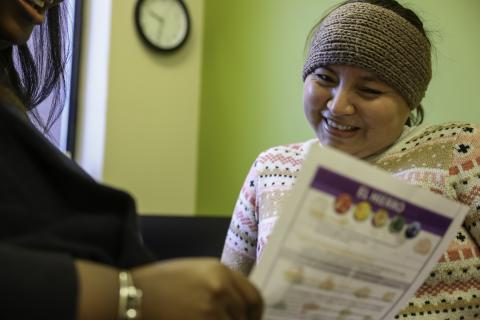
Health literacy enables people to find, understand, and use health information and services. The definition includes both personal and organizational health literacy, according to a 2020 update by the Centers for Disease Control and Prevention (CDC).
Personal health literacy is how well people can understand and use information to make good health decisions.
Organizational health literacy describes how public health and health care providers can equitably support people’s personal health literacy.
As public health and health care providers, it is our responsibility to meet people’s health literacy needs. Ensuring that all people in Washington can find, understand, and use health information and services easily is key to promoting health and health equity. It also helps us build trust with communities.
Use Health Literacy Best Practices in All Your Work
Anyone can have limited health literacy at times, especially if/when they are scared, stressed, sick, or busy. You should assume that anyone could have trouble understanding and using health information, and apply health literacy best practices in all your work:
- Use clear, easy-to-understand communication (plain language).
- Make sure your communication is culturally appropriate and in your audience’s preferred languages.
- Share information in accessible formats.
- Choose a communication format that works best for your audience. Some languages are only spoken, and sign language requires a visual format.
- Check understanding with teach-back.
- Test materials with the audience to make sure they understand the information.
Health Literacy Promotes Health
Everyone needs to be able to find, understand, and use health information and services at some point. Health literacy helps people protect their health, prevent health problems, and better manage health problems when they happen. When people have strong health literacy, they can:
- Make informed health decisions
- Get medical care to treat and prevent illness
- Take medication correctly
- Manage injuries and illnesses, especially chronic illnesses
- Navigate complex health care systems
Strengthening organizational health literacy and ensuring understanding is an important part of our work to keep people healthy.
Learn More About Health Literacy
General Health Literacy
- Health Literacy – CDC
- National Action Plan to Improve Health Literacy – U.S. Office of Disease Prevention and Health Promotion
- Health Literacy Solutions Center – Institute for Healthcare Advancement
- Key Health Literacy Research Findings – National Institutes of Health
- Health Literacy Out Loud podcast
- Health Literacy Online toolkit for creating online health materials – U.S. Office of Disease Prevention and Health Promotion
- How Health Literacy Affects People with Disabilities – American Association on Health and Disability
Plain Language
- Washington’s Plain Language guidelines
- Use our Plain Language 1-pager (PDF) or 2-pager (PDF) as a reference
- Plain Language and Language Access Planning Guide (file) – Horowitz Center for Health Literacy
- Plain Language for Public Health – Public Health Communications Collaborative
- Everyday Words for Public Health Communication – CDC
Training
- Health Literacy Professional Education and Training for health care professionals – Agency for Healthcare Research and Quality
This page was made possible through a grant allocated from the U.S. Centers for Disease Control and Prevention to the Washington State Department of Health (1 NB01PW000116-01-00).