
Environmental Justice Council
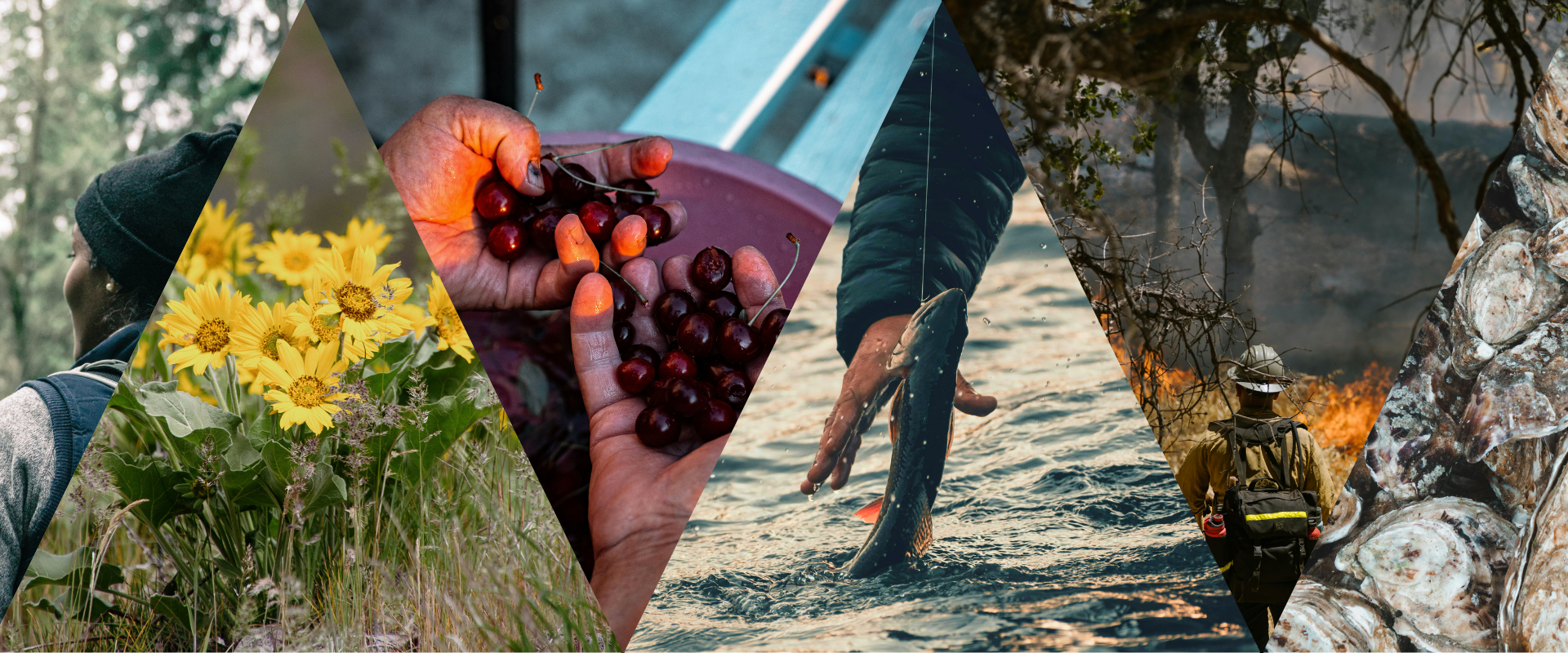
Photo credit (Left to Right): PNW Production, Eric Muhr, Mehmet Altintas, Gaspar Zaldo, RDNE, Renaat Peeters
What is Environmental Justice?
Environmental justice means everyone has clean air, safe water, and a healthy neighborhood—no matter their zip code, income, or race. It means communities most affected by pollution or other environmental harms have the information and the power to shape the decisions that impact their lives.
The Environmental Justice Council
Who We Are
The Environmental Justice Council was created through the 2021 Healthy Environment for All (HEAL) Act, Washington State’s first environmental justice law. The HEAL Act helps ensure that the Governor, the Legislature, and state agencies work together with Tribes and Communities most affected by environmental harms to address and prevent those impacts.
Examples of What We Do
-
Amplify Community and Tribal Voice: We provide a forum for communities and Tribes to share concerns about environmental harms and develop policy recommendations for the Legislature or guidance for HEAL agencies based on what we hear.
-
Promote Health Equity & Environmental Justice: We provide guidance to HEAL agencies on how to integrate environmental justice practices and principles in their policies and operations.
-
Invest Money Where It’s Needed Most: We provide the Governor's Office and the Legislature with budget recommendations for how to use funds from the Climate Commitment Act to invest in Tribes and communities hit first and worst by climate change.
-
Improve State Climate Policies: We advise and collaborate with the Department of Ecology to design and implement programs in the Climate Commitment Act to make sure they work fairly for everyone.
-
Promote Environmental Justice in Renewable Energy Development: The Council has a staff seat on the Clean Energy Siting Council which provides annual recommendations to the Governor and Legislature to improve siting and permitting of renewable energy projects like solar, wind, and battery energy storage systems.
Meet our Council Members
Visit the Council Members page to get to know our current members serving on the Council.
- Seats on the Council
-
- 4 Tribal Representatives including:
- 1 Tribal Representative from Western Washington
- 1 Tribal Representative from Eastern Washington
- 2 Tribal Representatives without geographic requirements
- 7 Community representatives with applied and demonstrated work focusing on environmental justice or a related field, such as racial or economic justice, and accountability to vulnerable populations and overburdened communities which includes:
- 1 Youth representative who is between the ages of 18 and 25 at the time of appointment
- 1 Youth representative who is between the ages of 18 and 25 at the time of appointment
- 2 Environmental justice practitioners or academics
- 1 Representative of a business that is regulated by a HEAL agency and whose ordinary business conditions are significantly affected by the actions of at least one other HEAL agency
- 1 Representative who is a member or officer of a union representing workers in the building and construction trades
- 1 Representative at-large with applied and demonstrated work and focus on environmental justice
Each representative has a 4-year term, except the youth representative, which has a 2-year term.
A representative from each of the Agencies named in the law serves as a non-voting liaison to the Council. This includes representatives from:
- 4 Tribal Representatives including:
Your Voice Matters
State policies are stronger when they are shaped by your lived experience. The Council serves as a bridge between the public and the State decisionmakers. We want to hear from you about the environmental concerns and solutions in your community.
How to Get Involved
Apply to Serve on the Council
Are you passionate about addressing the concerns of your community? The Council is made up of community members, Tribal representatives, and experts from across the state. Apply through the Governor’s Office of Boards and Commissions website.
- Current Vacancies (as of October 2026)
-
Seat #15: Member representing Tribal Communities
Seat #16: Member representing Tribal Communities
- Application Materials
Join Our Meetings
Our meetings are open to everyone. We always set aside time for public comments because we want to hear your ideas and concerns directly.
When: We meet regularly throughout the year (virtually and in person). Visit the Council Meetings page to view the meeting schedule or watch past meeting recordings.
How: Sign up to speak or just listen in. We provide American Sign Language and Spanish interpretation for all meetings and can provide additional language services on request.
Share Your Thoughts
You don't have to wait for a meeting to share your thoughts. You can send your comments, stories, or questions to us at any time and in any language by emailing envjustice@ejc.wa.gov.
Stay Updated
Sign up for our listserv or email envjustice@ejc.wa.gov in any language to get meeting alerts, announcements, and opportunities to weigh in on State actions.
Contact Us
Environmental Justice Council Manager, 360-584-4398
Related Resources
Healthy Environment for All (HEAL) Act (RCW 70A.02)
Climate Commitment Act (CCA, RCW 70A.65)
Environmental Health Disparities Map
Environmental Justice Assessment Notices